Arp 224 / NGC 3921
| Designation(s) | Arp 224, NGC 3921 |
| Object Type(s) | Galaxy |
| Relevant Catalog(s) | All (Chron), Arp, NGC |
| Arp Category | Galaxies with amorphous spiral arms |
| Obs. Lat/Long | 42° 17', 073° 57' |
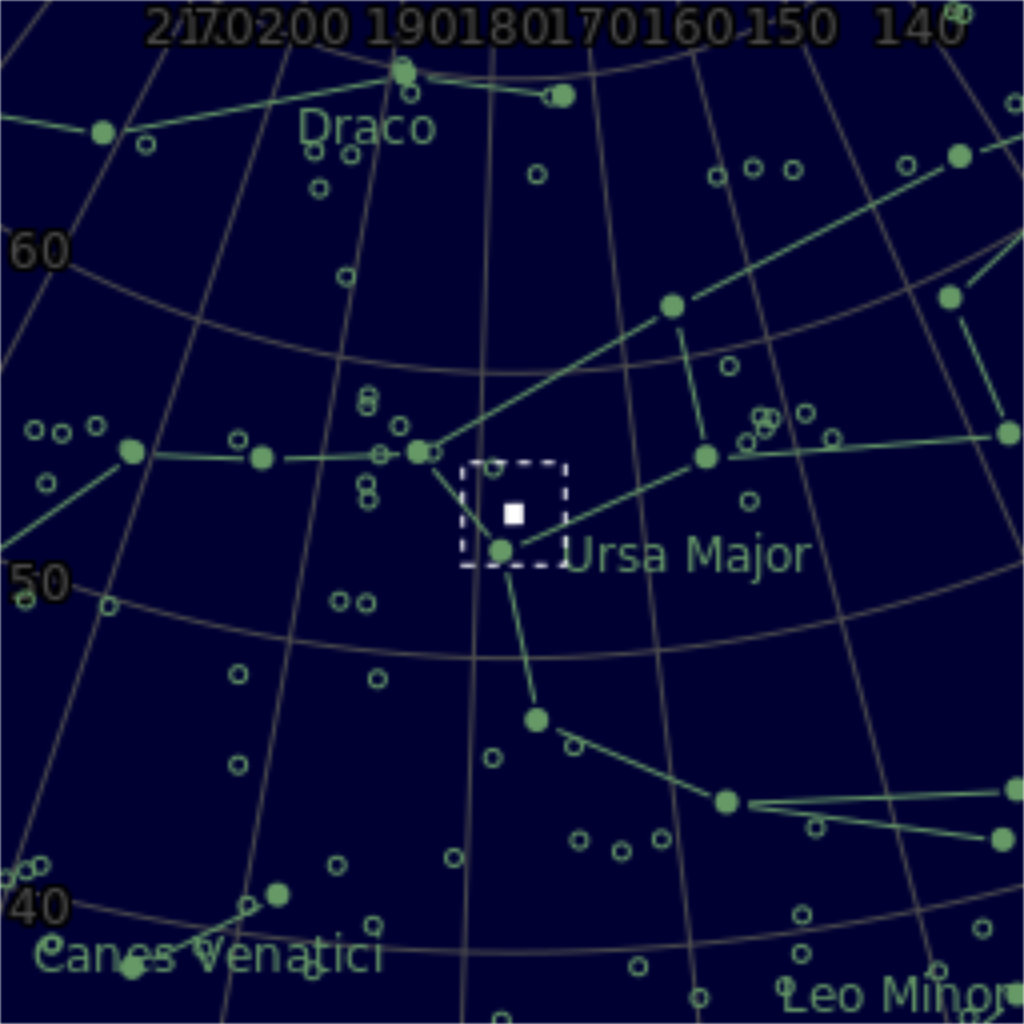
| Constellation | Ursa Major |
| Date and Time Observed | 2025-05-15 23:15:00 |
| Instrument | EdgeHD 8" w/f7 reducer-1,422mm FL |
| Camera | Player One Apollo-M Mini |
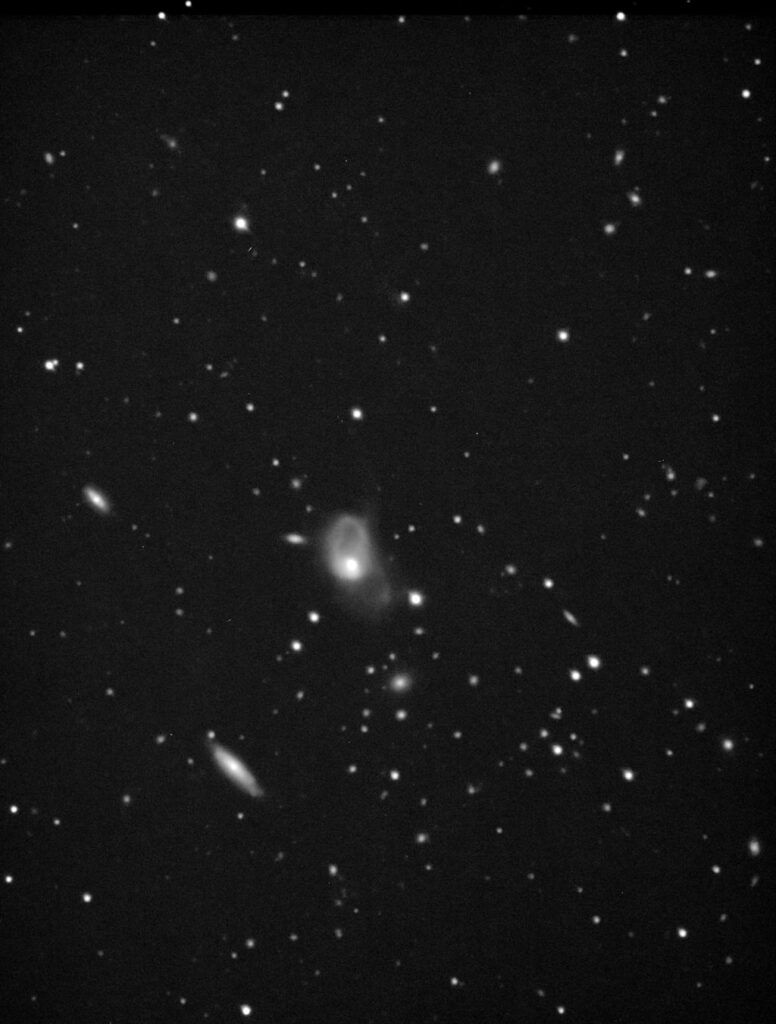
| Image Details | Up is 179.7 degrees E of N. Transparency: Good. Seeing: Good. Total integration time was 47m15s. Exposures 15s@300g, UV/IR Cut Filter. Dithered and recentered in SharpCap. No guiding. |
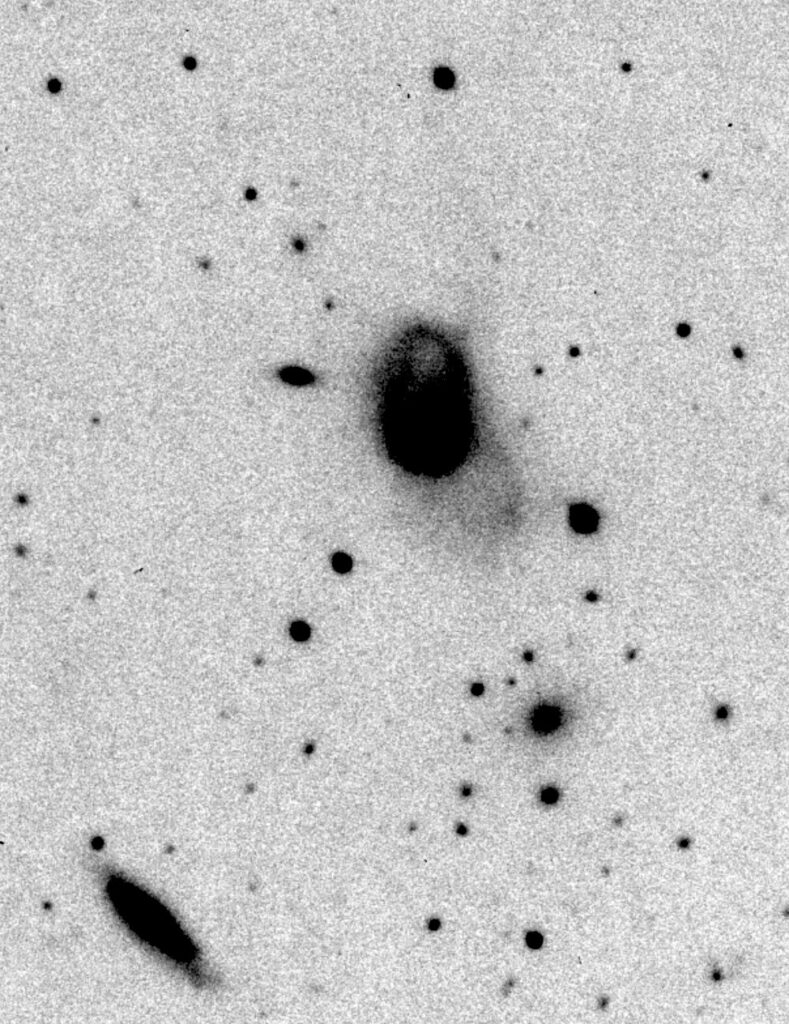
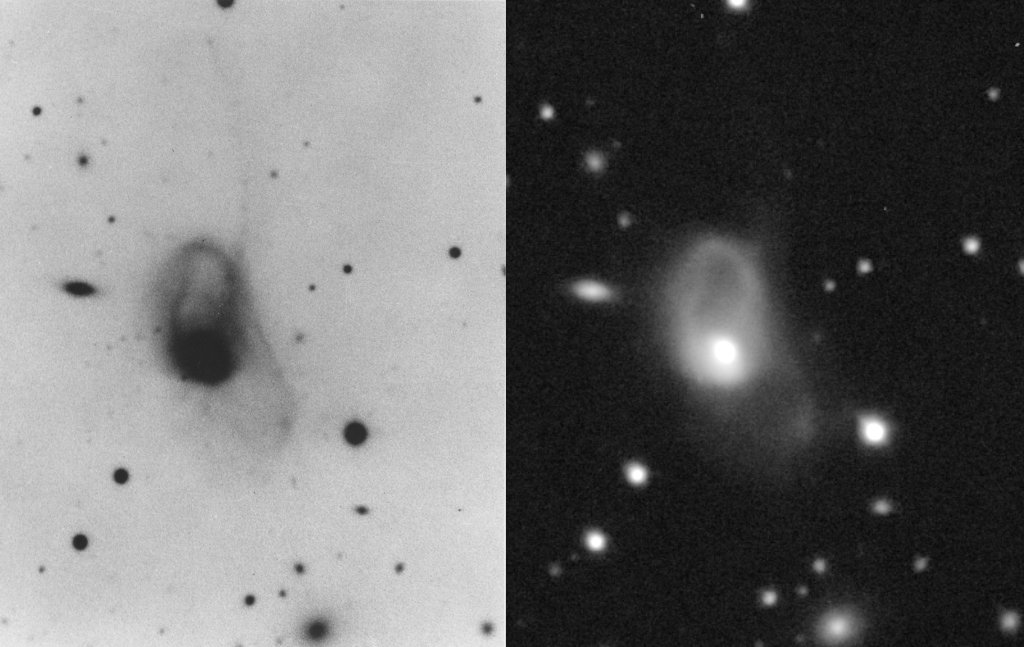
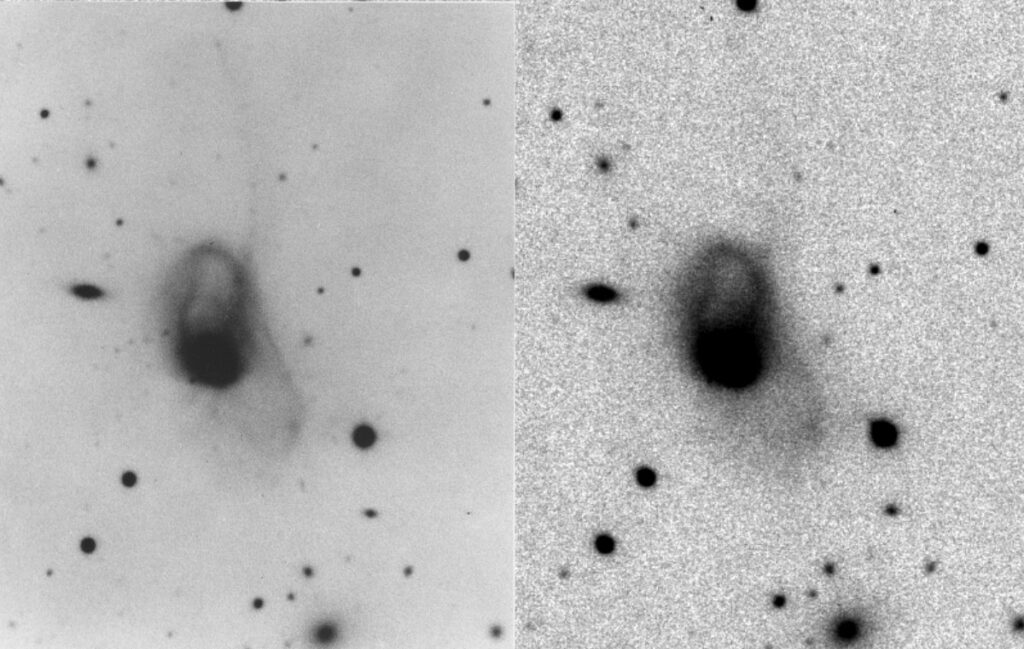
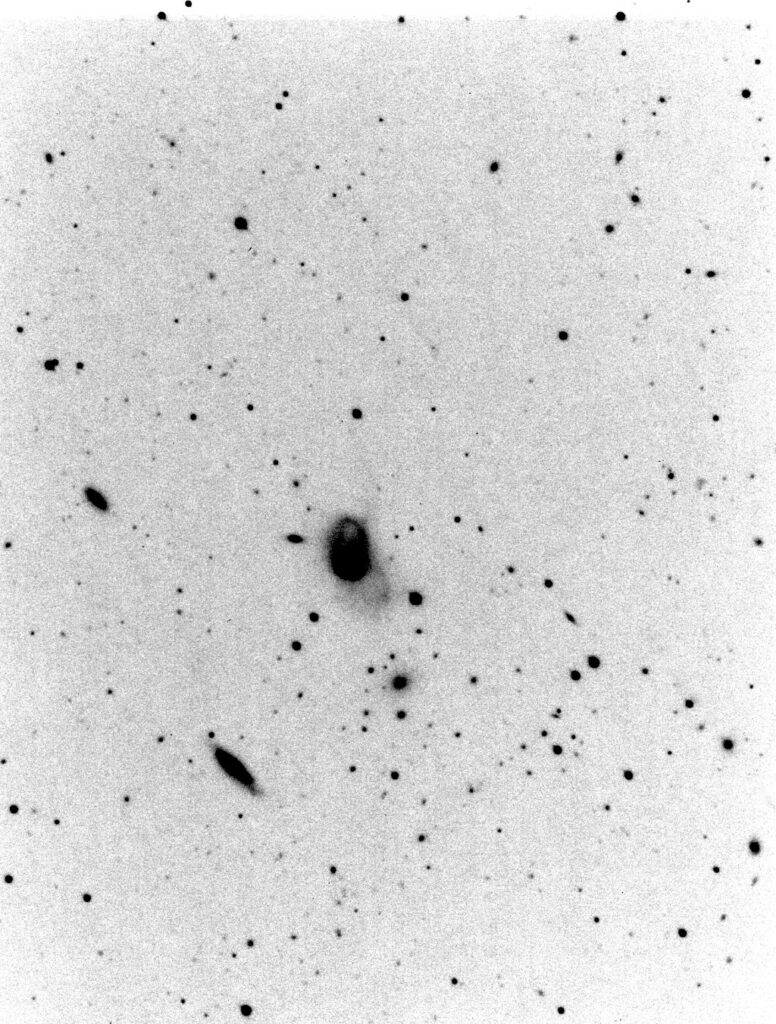
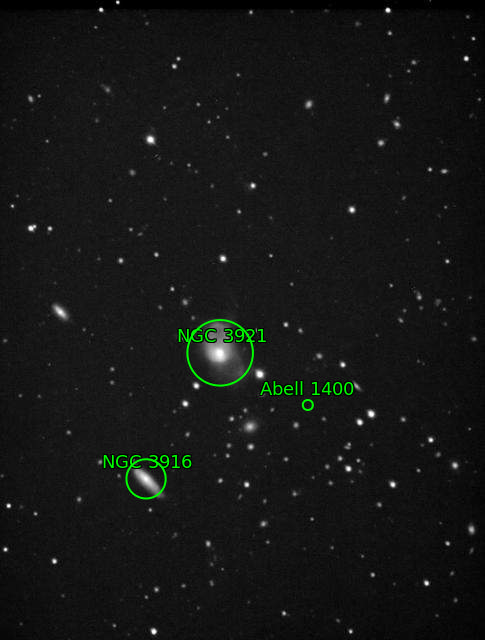
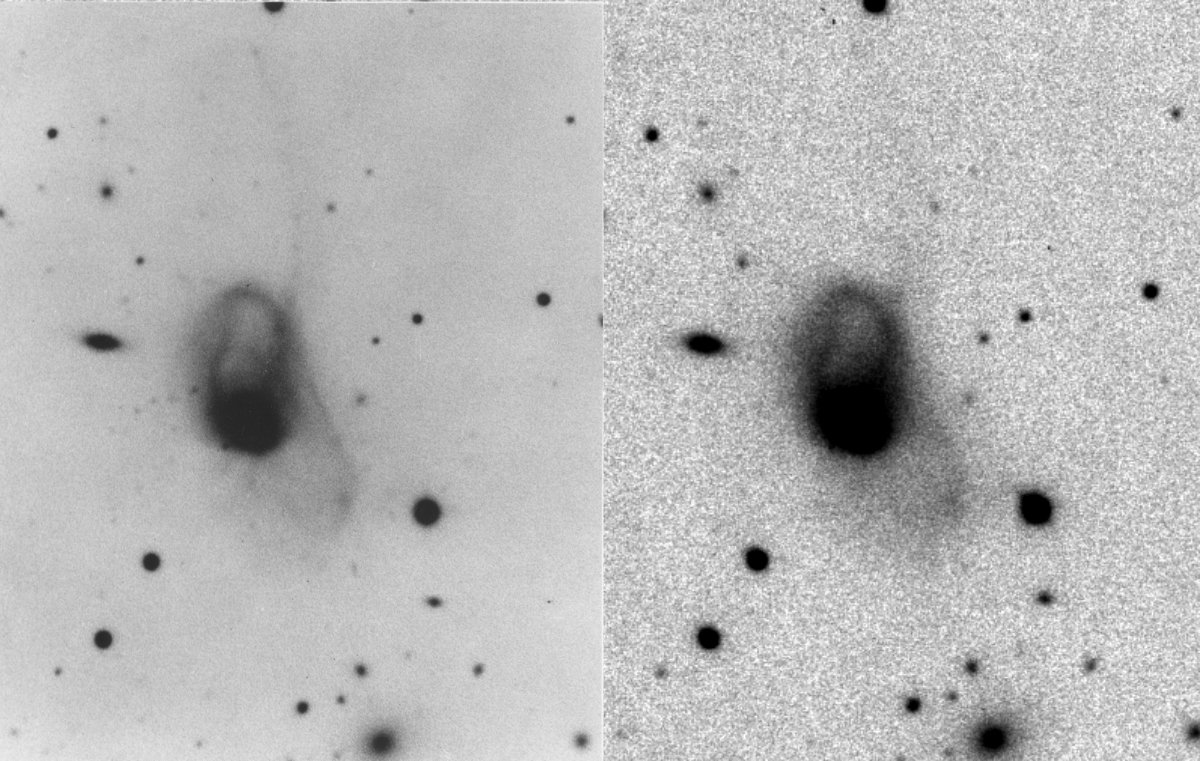
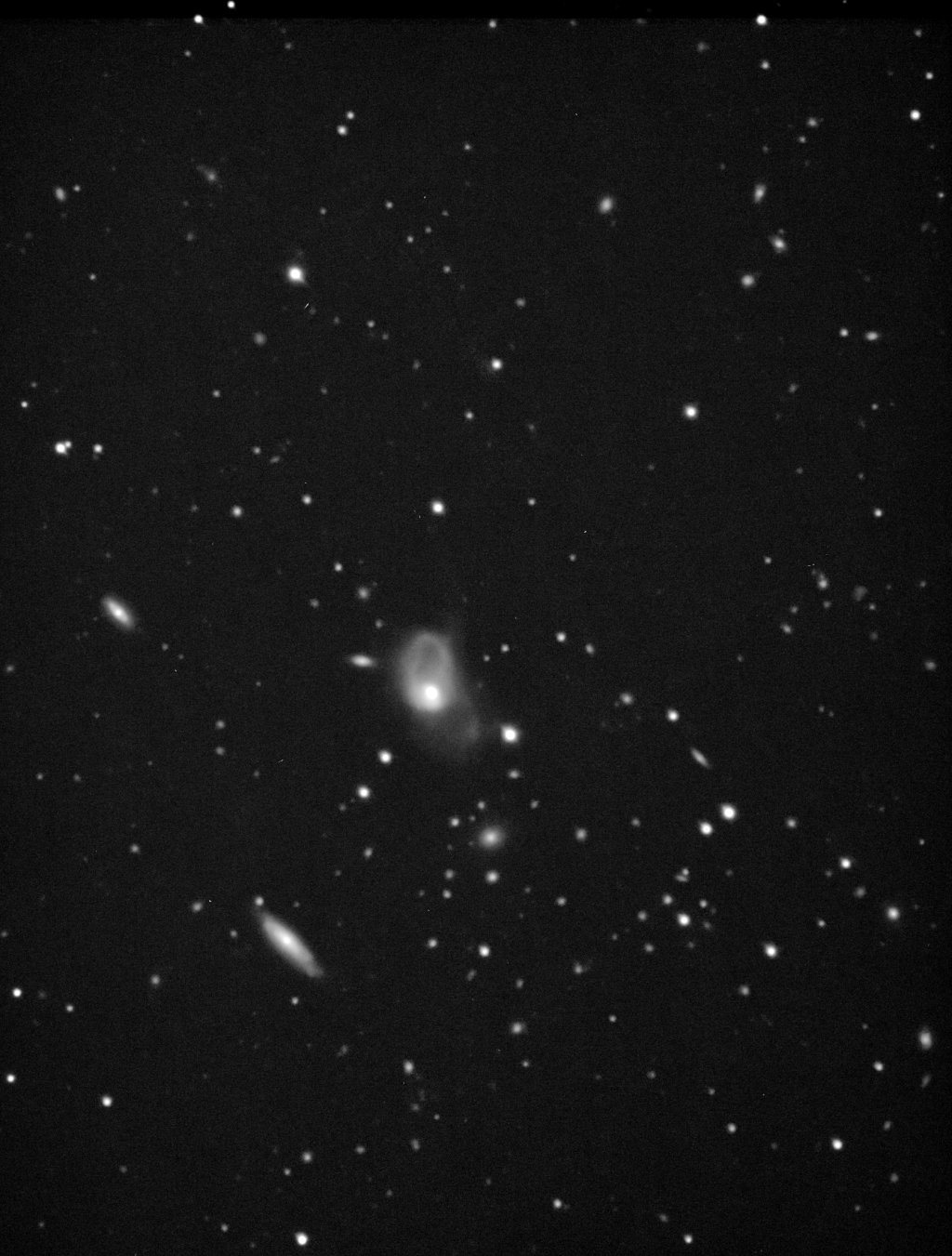
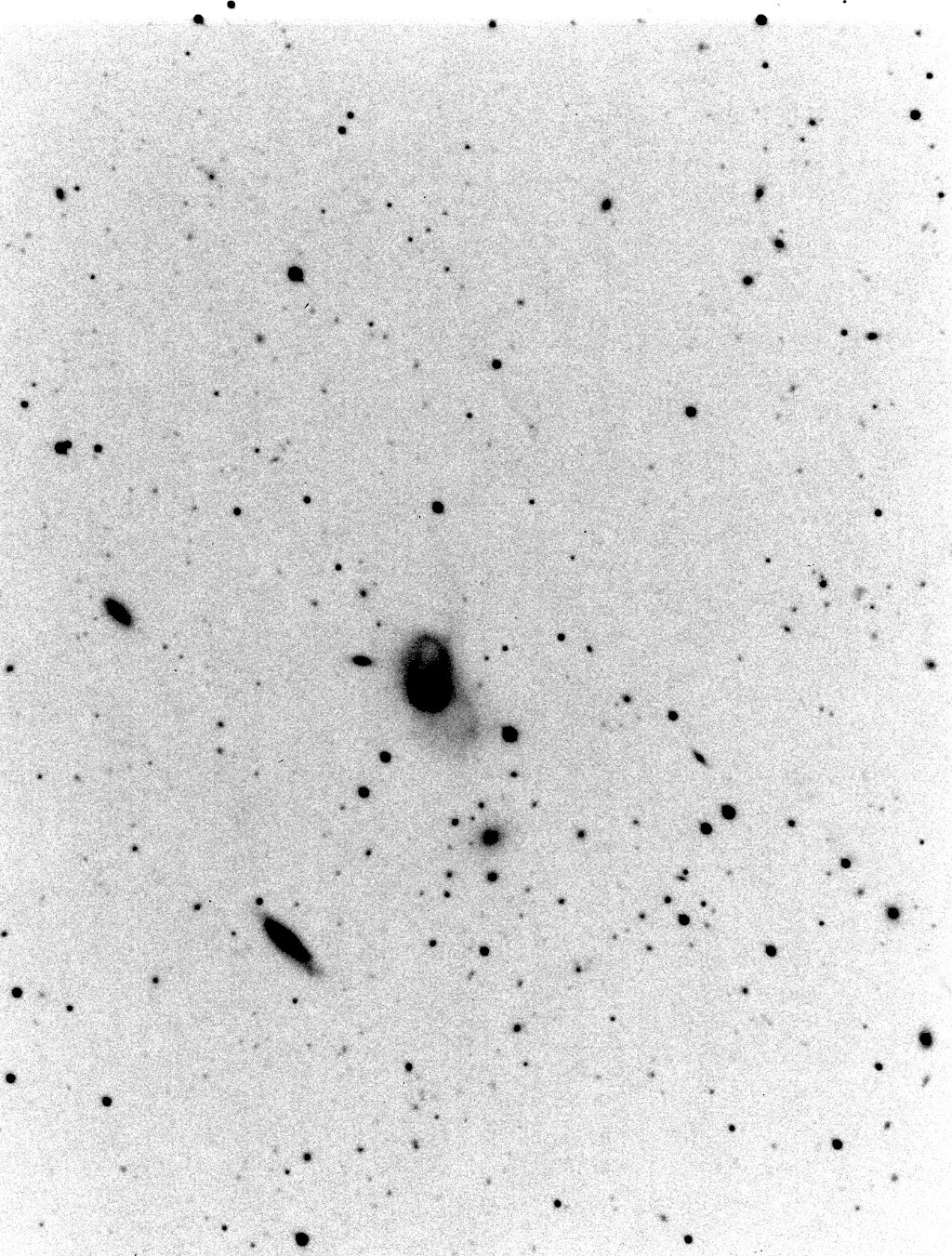
| Description | An unexpecgted observation: forecast was mostly cloudy but it turned beautifully clear around 9 PM and stayed that way for a couple of hours. This is another William Herschel discovery from 1789. When I plan an Arp observation, I always want to know what features were important to Chip Arp. The clues are the category and his "remarks", which you can look up on the CalTech website. With Arp 224, the category is "Amorphous Spiral Arms" and Arp remarks: "Straight filament leads to bright, offset nucleus." I assume he's referring to the extended filament (slightly curved rather than precisely straight), that you (barely) see in the plate he published in the Atlas (extending upwards from the right side of the galaxy). It does indeed flow right into the extremely bright nucleus. When Arp cares about a feature that you can barely see in the 200 inch Hale's plate, you know you're in for a struggle. It took 47m to feel I could see the filament distinctly enough, and really I should have given it an hour. |
| Catalog Links | All Listings |