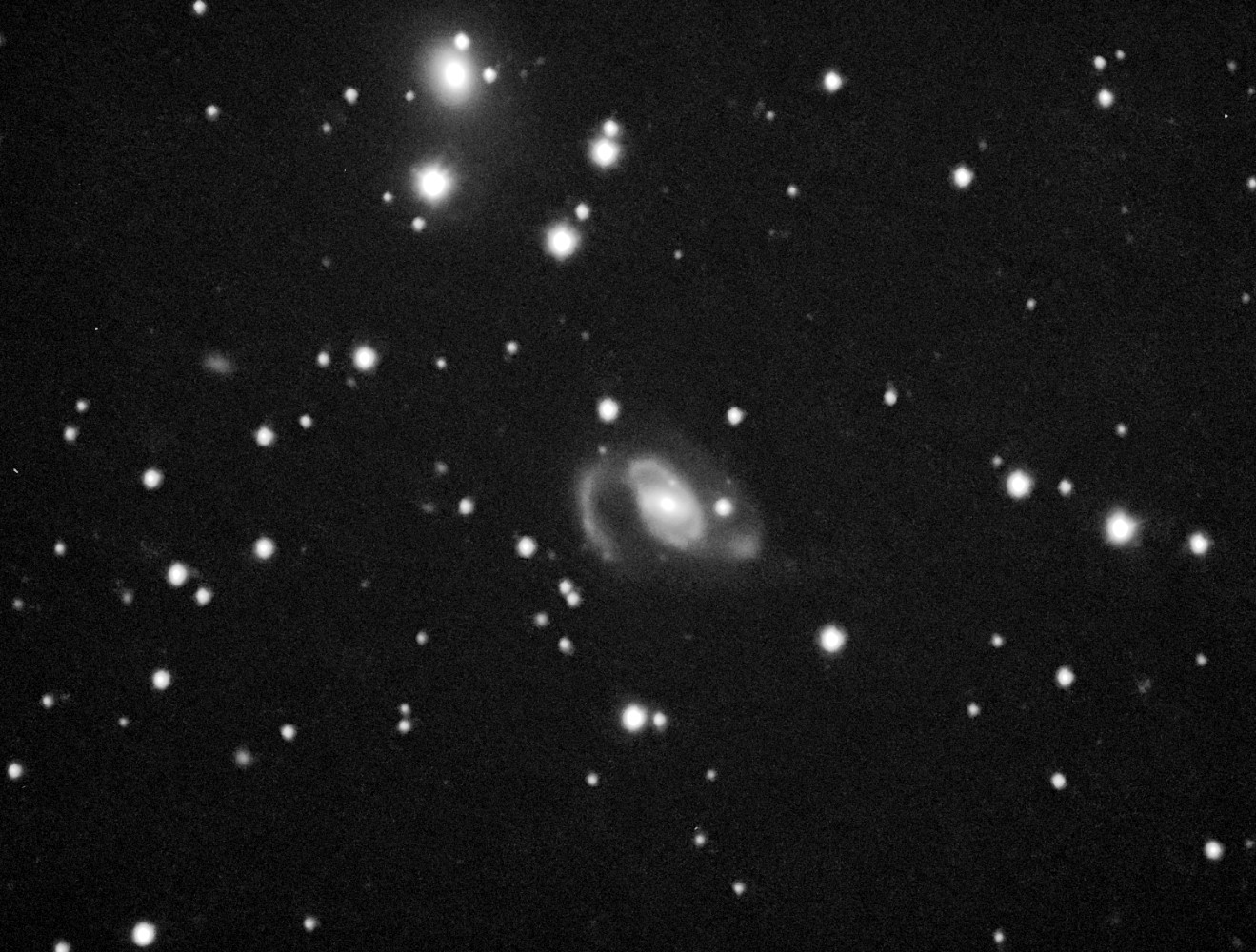
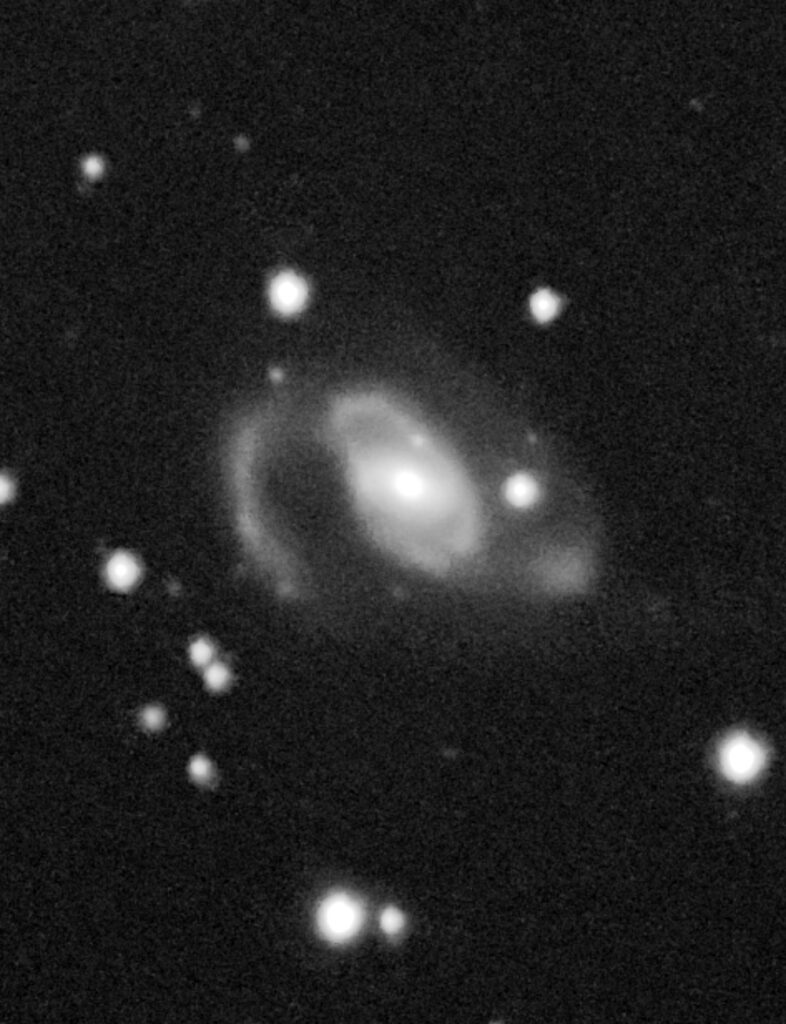
NGC 4319 with Markarian 205
| Designation(s) | NGC 4319, Markarian 205 |
| Object Type(s) | Galaxy |
| Relevant Catalog(s) | All (Chron), NGC |
| Obs. Lat/Long | 42° 17', 073° 57' |
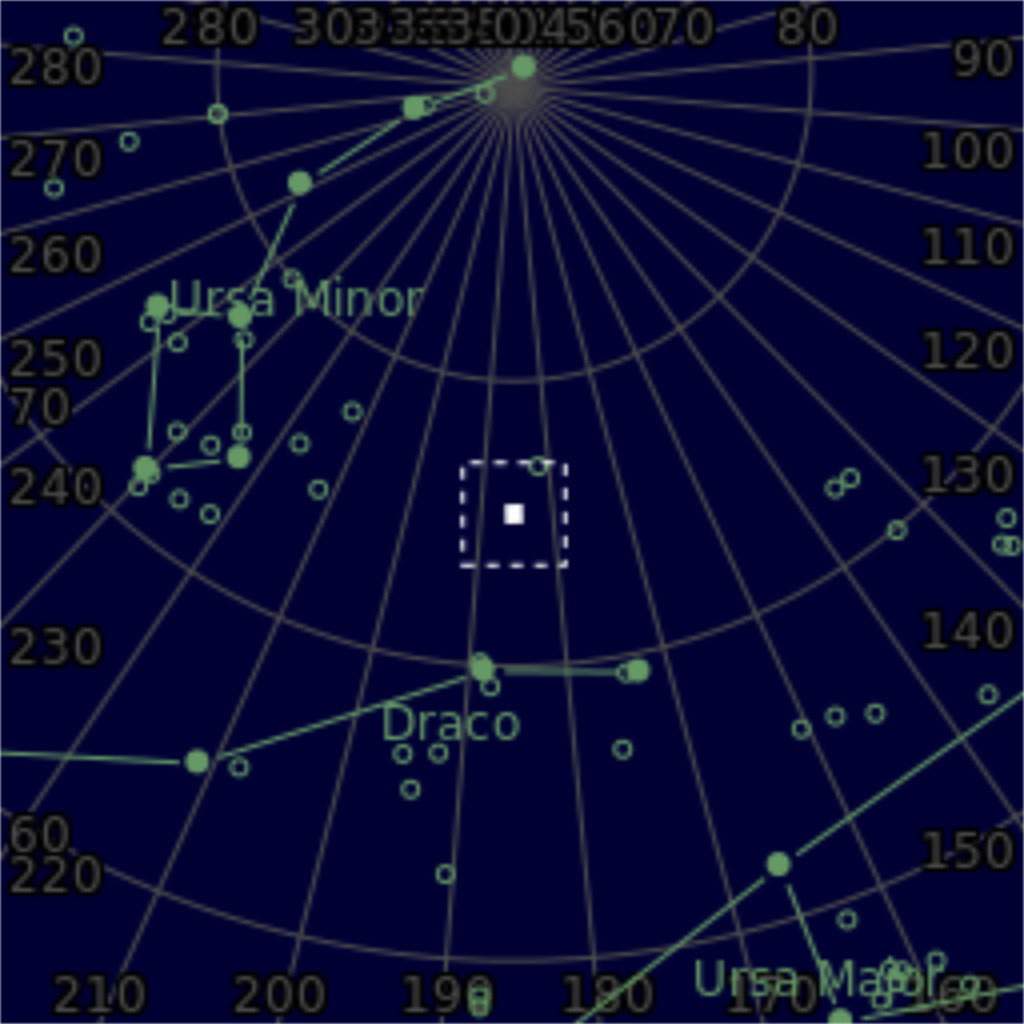
| Constellation | Draco |
| Date and Time Observed | 2025-06-21 01:15:00 |
| Instrument | EdgeHD 8" w/f7 reducer-1,422mm FL |
| Camera | Player One Apollo-M Mini |
| Image Details | Up is 88.3 degrees E of N. Transparency: Good. Seeing: Good. Total integration time was 27m. Exposures 15s@300g, UV/IR Cut Filter. Dithered and recentered in SharpCap. No guiding. |
| Description | A famous object because it's the target that inspired Halton Arp's "intrinsic redshift" theory that alienated him from mainstream astronomy. I observed it because I'm giving a talk to my astronomy club this fall about The Atlas of Peculiar Galaxies...to be clear, this isn't part of the Atlas (it was discovered later), but it had a huge impact on Arp's career. Markarian 205 is the small object immediately to the right of NGC 4319, a quasar. Arp saw a filament connecting it to the larger galaxy, even though 205 has a much higher red-shift. Arp theorized it had been formed by ejection from 4319 and as new matter, started with a higher, "intrinsic" red-shift. The mainstream felt it was simply a chance alignment of the quasar behind a closer object.
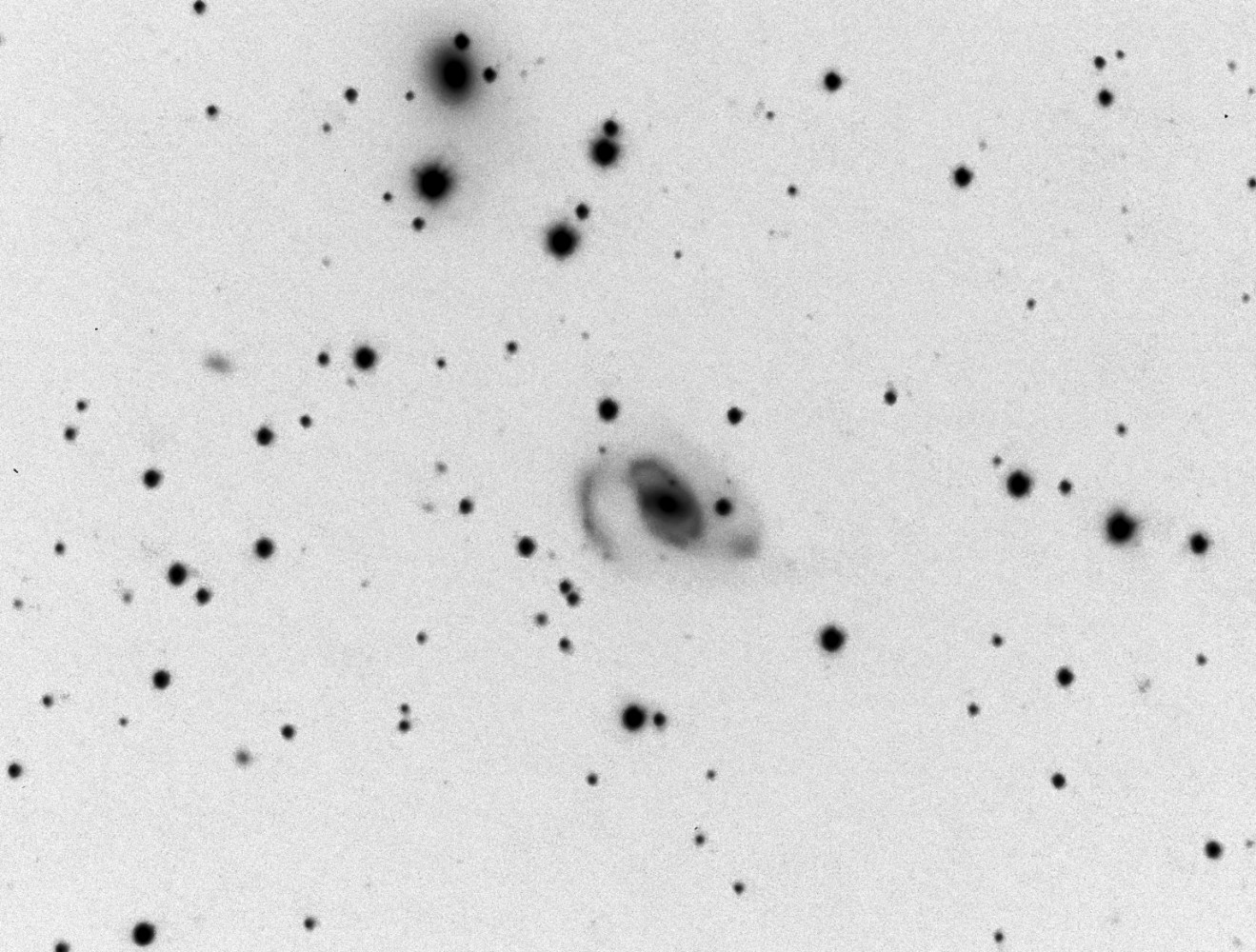
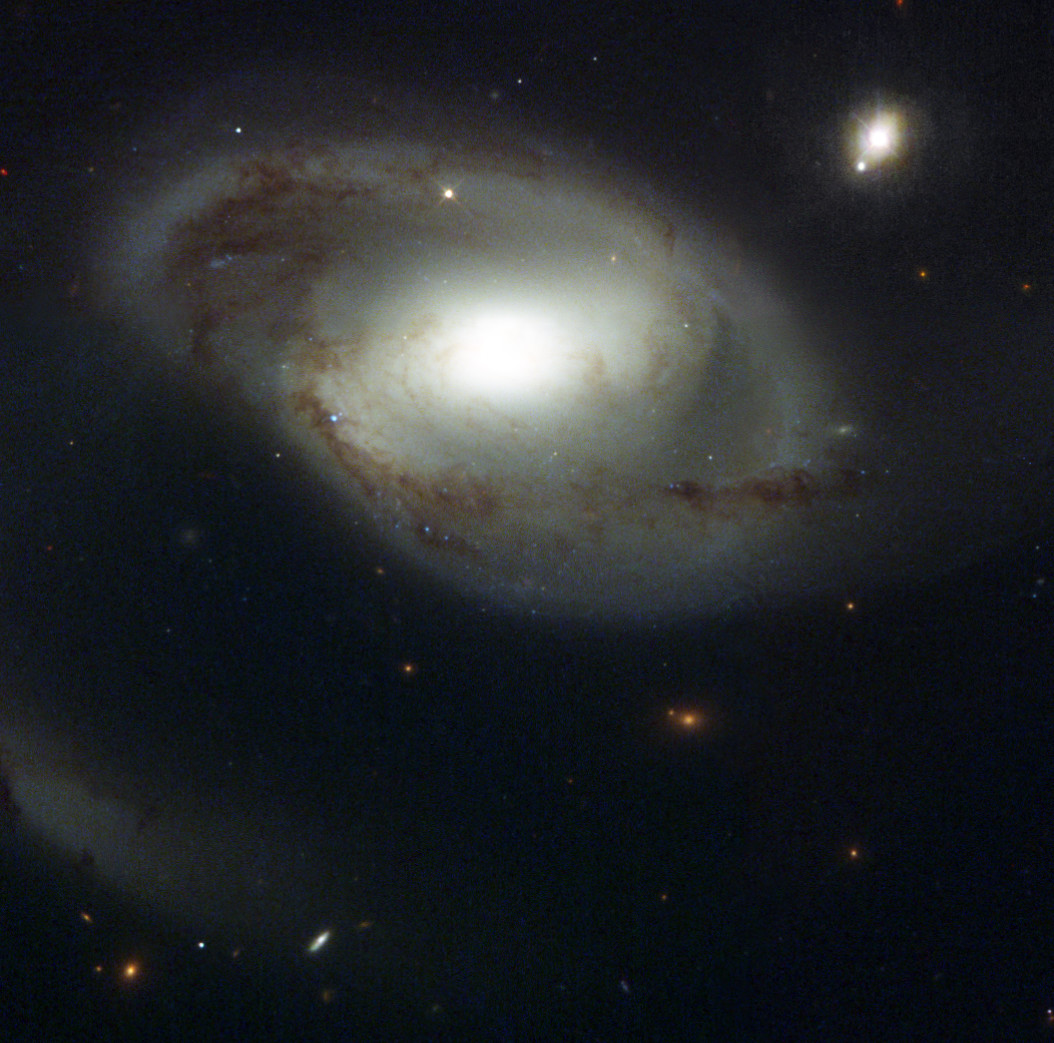
The Hubble image in the gallery is an interesting Rorschach test around this issue. To most, it's a definitive proof that the quasar is by chance located behind the outer fringe of NGC 4319's disk. However, it doesn't take much processing to make a non-random-looking bridge appear. In the gallery, I've included an image from haltonarp.com, as well as a levels adjustment to my own inverted image. Arp's insistence on continuing to explore this theory got his telescope observing time on the Palomar telescopes -- most importantly the 200" Hale Telescope -- axed by the allocation committee. At the time, it was unheard of to not allow a Senior Observer time on the instrument... Arp quit and spent most of his remaining career at the Max Planck Institute... also freed his time to work with Barry Madore on the Catalogue of Southern Peculiar Galaxies and Associations. |
| Catalog Links | <Previous | NGC Listings | Next> |
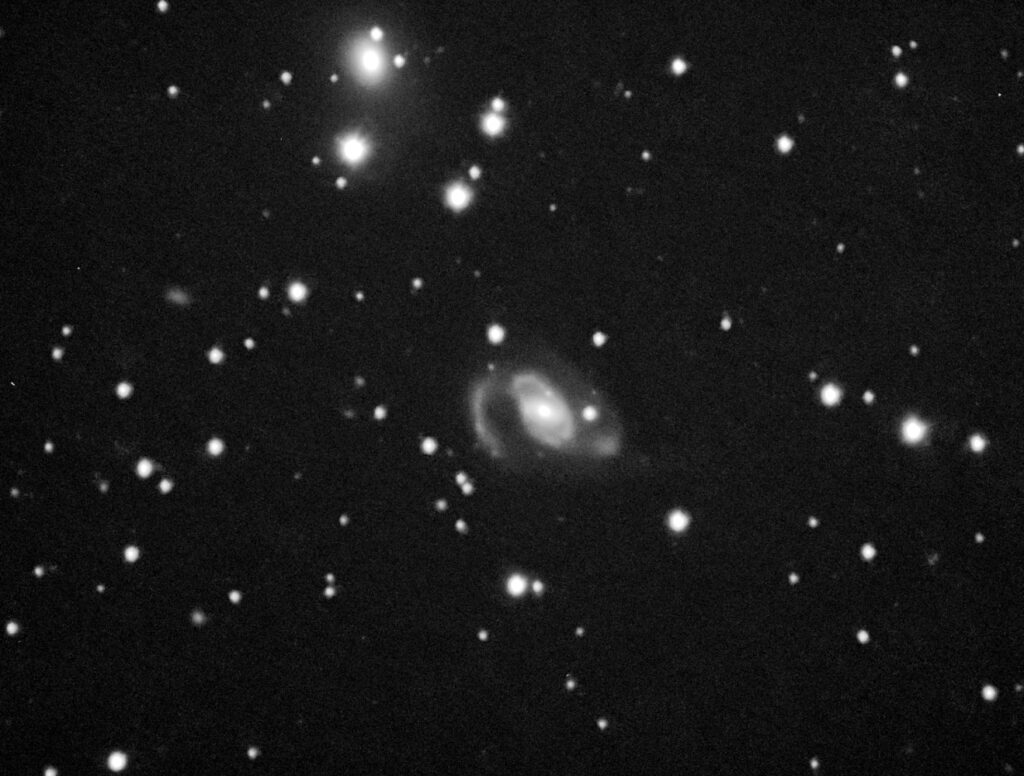
My full field image 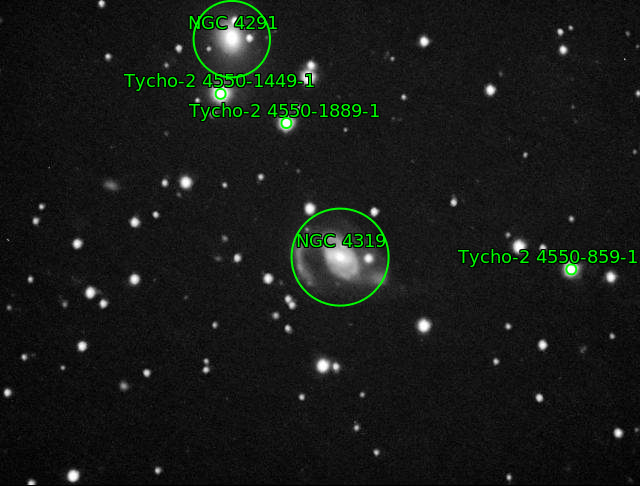
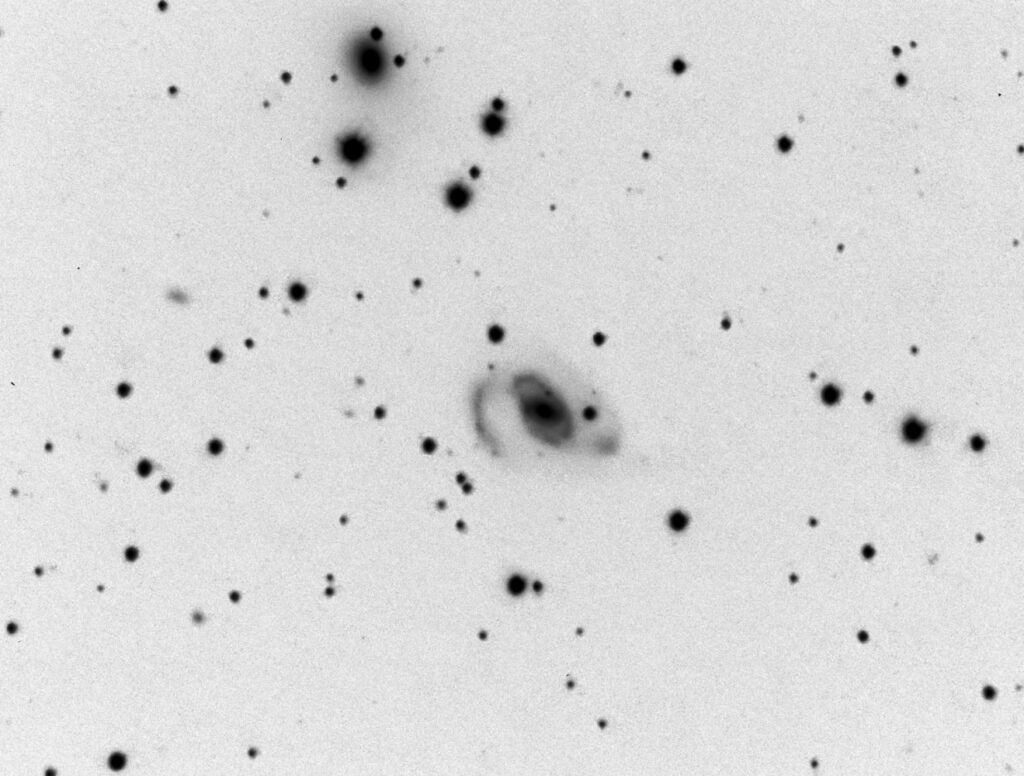
Inverted view of my full field image 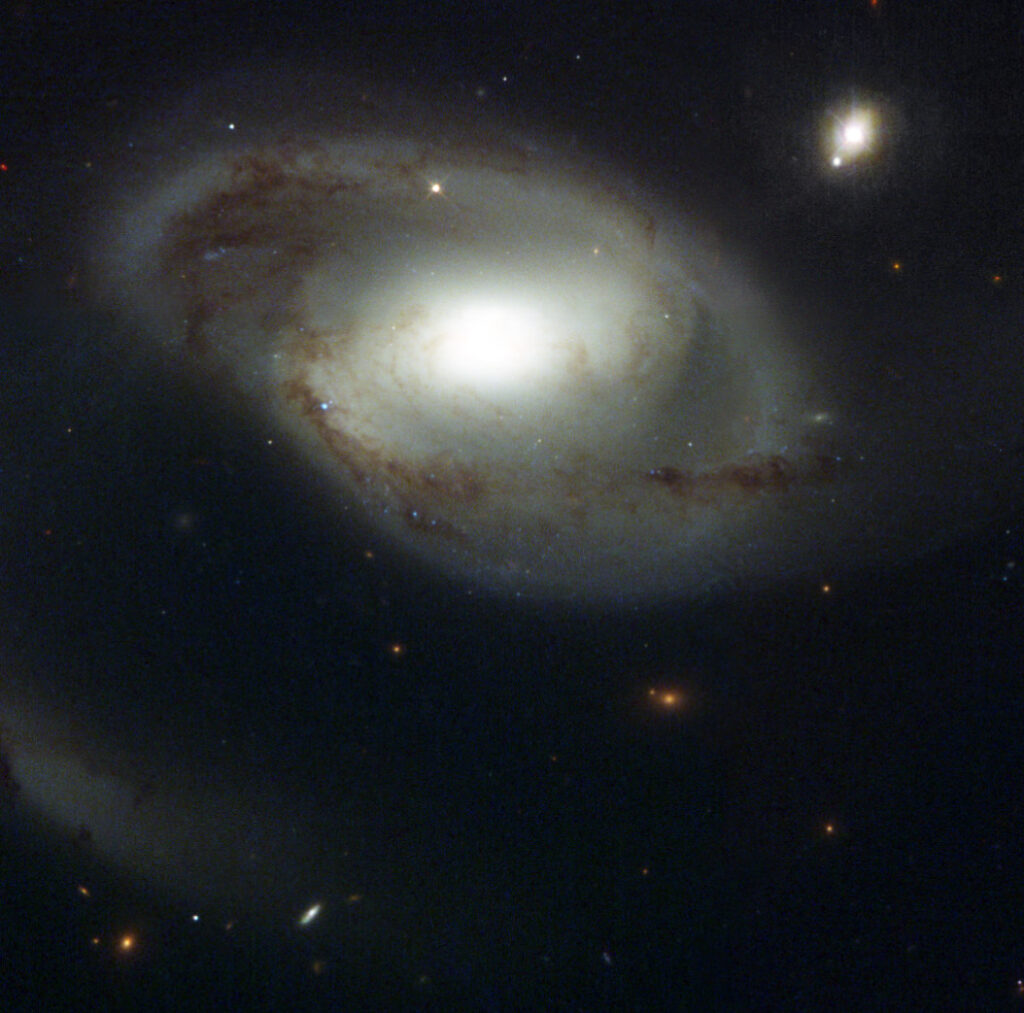
Hubble Space Telescope Image 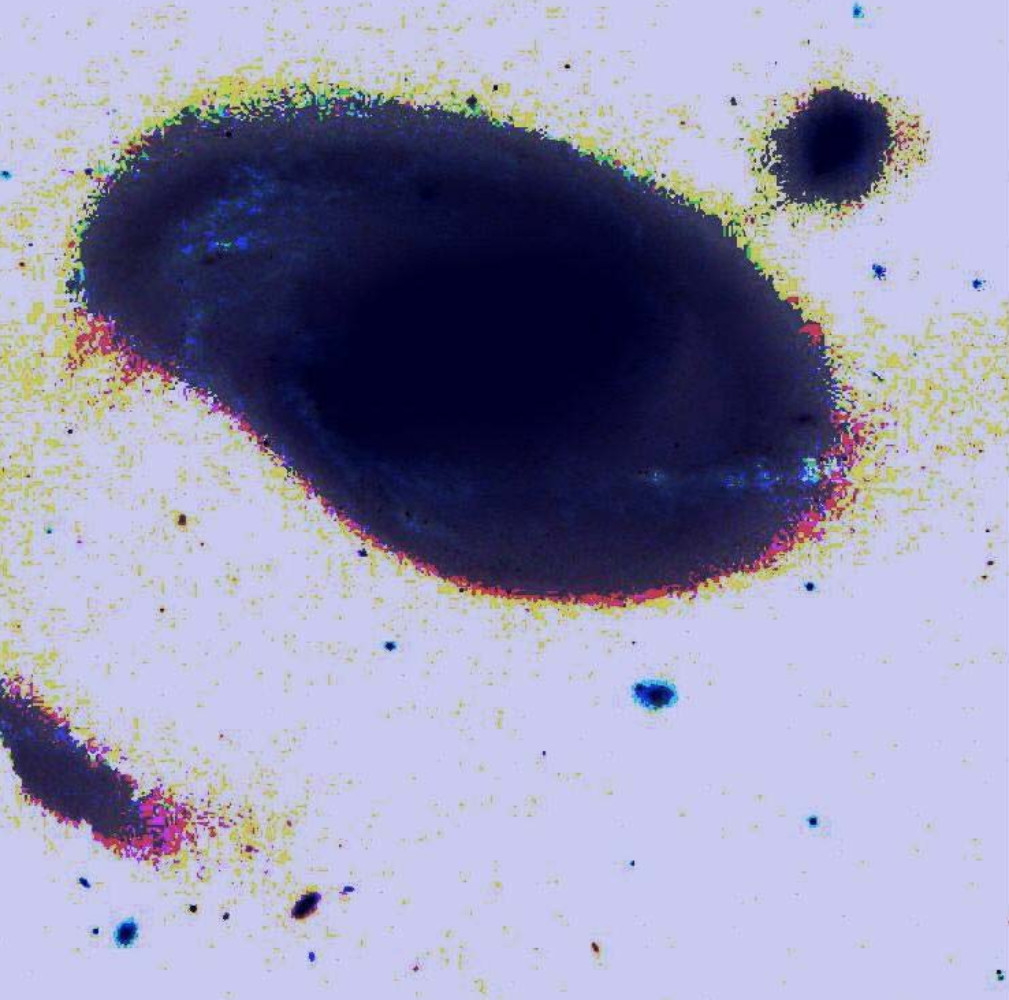
HaltonArp.com: Hubble image processed to show bridge 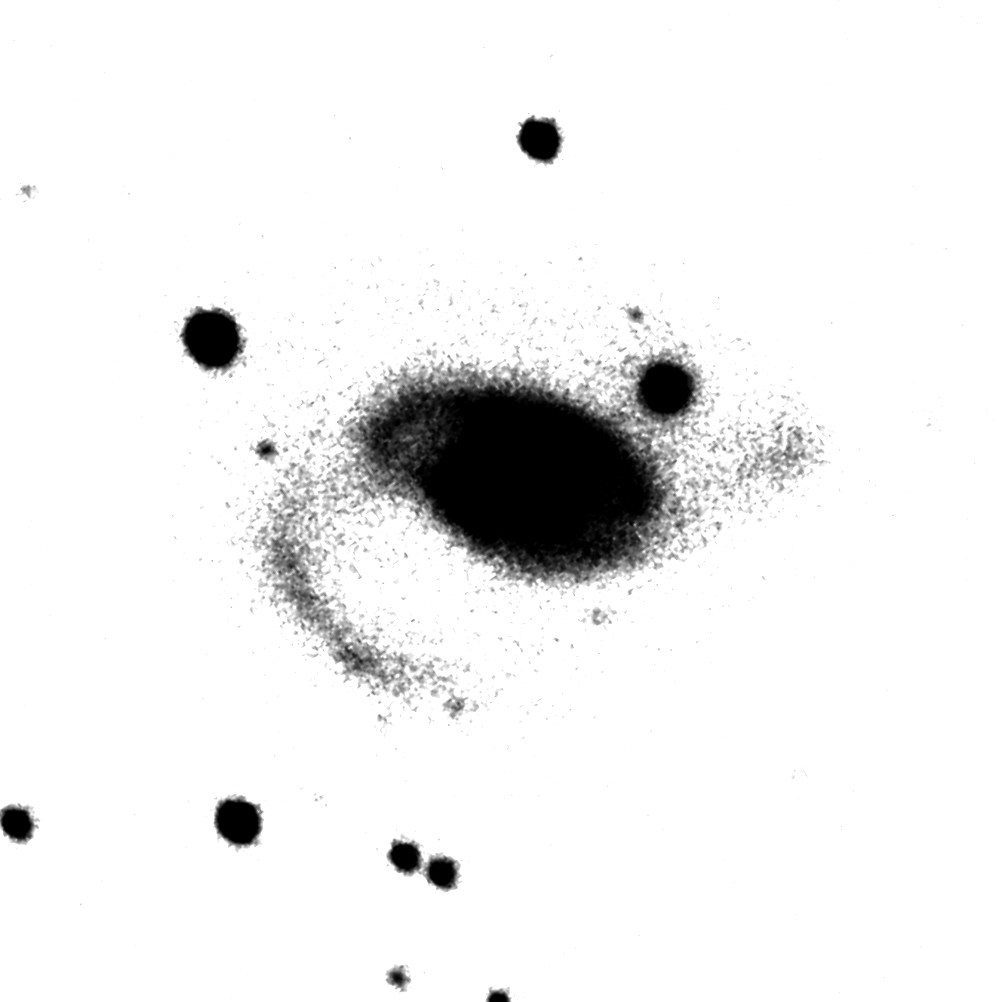
My inverted image with levels adjustment to show bridge 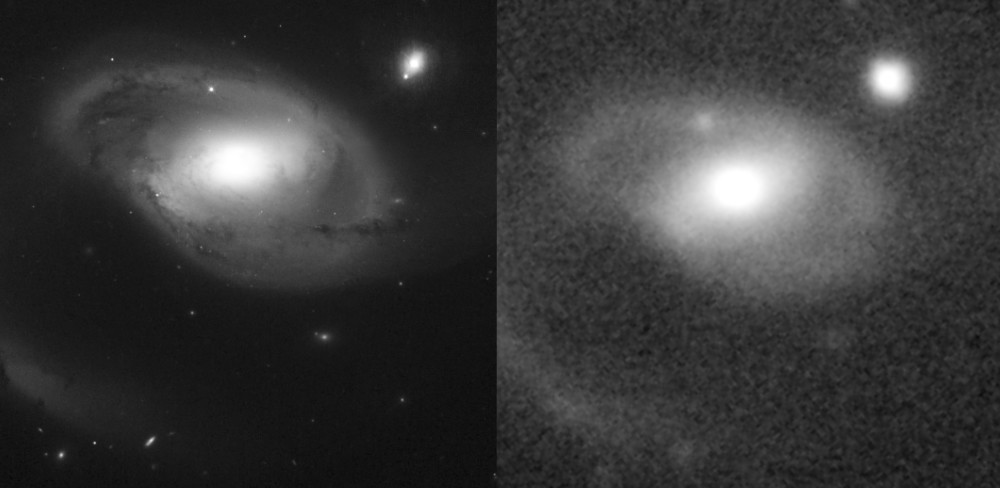
Hubble compared to my ima 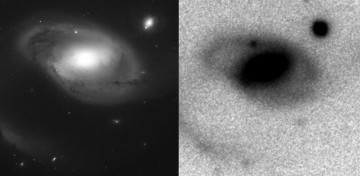
Hubble compared to my im